Local Law 126 Garage and Parapet Inspections and Repairs in NYC
Local Law 126 requires every covered parking garage in New York City to be inspected by a Qualified Parking Structure Inspector and filed with the Department of Buildings. The same law calls for a yearly look at any parapet that faces the street. We line up the inspections, repair what the reports find and help you close out your filing, all with one team.
Inspections by a licensed QPSI partner
SREM and Unsafe repairs
Licensed and insured
One team from report to repair
Licensed and Insured
QPSI Partner Inspections
Repairs Built Around Your Report
Amended Report Support
What Is Local Law 126?
Local Law 126 of 2021 created two inspection programs. The first is the Periodic Inspection of Parking Structures program, known as PIPS. It requires parking garage owners in New York City to hire a Qualified Parking Structure Inspector (QPSI), a New York State licensed professional engineer approved by DOB, to carry out a full condition assessment and file the report in DOB NOW: Safety. The inspector rates the structure Safe, SREM or Unsafe.
The first garage cycle runs through December 31, 2027, split into three filing windows by community district. Local Law 71 of 2024 then moves garages to a 4 year cycle, and a QPSI must also carry out an annual observation between full assessments. Missing a deadline brings DOB penalties of $1,000 per month for a late report and $5,000 per year for no report at all.
The second program, set out in 1 RCNY 103-15, requires a close-up parapet observation every year on buildings whose parapet fronts a street or sidewalk. The owner keeps that report for six years instead of filing it.
Who Must Comply With Local Law 126?
The garage rules cover any building, or part of a building, used to park or store motor vehicles. Separately, any building with a parapet facing a street or sidewalk needs a yearly parapet observation, unless it is a detached one or two family home. The owner of record is responsible for both, even when a manager or garage operator runs the space day to day.
Garages Covered by Local Law 126
- Standalone public and commercial parking garages
- Parking levels inside residential, office and hotel buildings
- Open parking decks and rooftop parking
- Condo, co-op and rental buildings with a resident garage
Structures Not Covered
- Small private garages serving one- or two-family homes
- Automotive repair shops and service stations
- Automotive showrooms
- Surface lots on grade with no structural deck
Your Path to Local Law 126 Compliance
Start with the step that matches where your garage is today.
Inspect: Book a QPSI Condition Assessment
A licensed QPSI assesses the full garage and files the report in DOB NOW: Safety within 60 days. We coordinate the visit and keep your filing window on track.
Repair: Fix SREM and Unsafe Conditions
SREM and Unsafe conditions must be fixed within the timeframe set by the report and DOB. We turn the report into a clear scope and repair the concrete, steel and joints it lists.
Close Out: File the Amended Report
Once the work is done, the inspector files an amended report. Coatings and sealed joints help keep your next rating clean.
Local Law 126 Filing Deadlines by Sub-Cycle
Cycle 1 is split into three filing windows by community district. If your window has closed and no report was filed, DOB penalties may already be adding up.
| Sub-Cycle | Areas Covered | Status |
|---|---|---|
|
1A |
Manhattan Community Districts 1 to 7 |
Closed on December 31, 2023 |
|
1B |
Manhattan Community Districts 8 to 12 and all Brooklyn Community Districts |
Closed on December 31, 2025 |
|
1C |
Bronx and Queens Community Districts |
Open until December 31, 2027 |
Safe, SREM and Unsafe Ratings Explained
Every QPSI report places each condition in your garage in one of three ratings. The rating decides what you need to do next.
Safe Rating
What it means: No repairs are needed now and the structure is expected to stay safe until the next assessment.
Next step: Keep up routine maintenance and book your annual observation.
SREM Rating
What it means: Safe with Repairs and/or Engineering Monitoring. The garage is safe today, but some conditions must be fixed within the timeframe the inspector sets.
Next step: Plan repairs now. An SREM condition still open at the next inspection must be reported as Unsafe.
Unsafe Rating
What it means: A condition that is hazardous to people or property.
Next step: Restrict the area and install protection right away, then repair and have the inspector file an amended report.
Local Law 126 Services for NYC Parking Garages
From the first inspection to the final repair, each service has its own page with the full details.
QPSI condition assessments and annual observations, planned around your filing window.
Help for owners facing a missed deadline, a DOB violation or growing penalties.
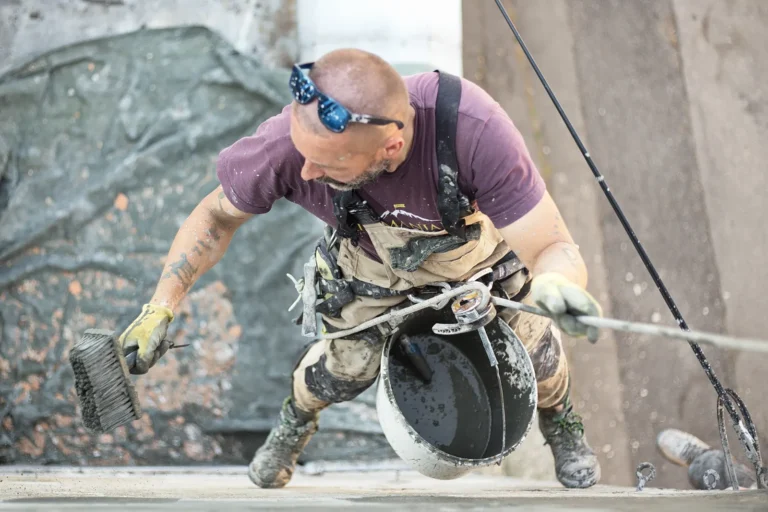
Repairs that clear SREM conditions before they turn into Unsafe ratings.
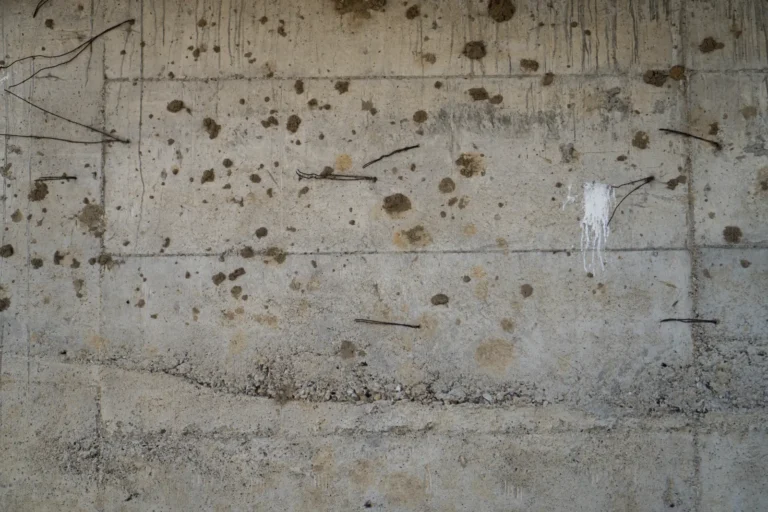
Fast protection and structural repairs when your report lists an Unsafe condition.
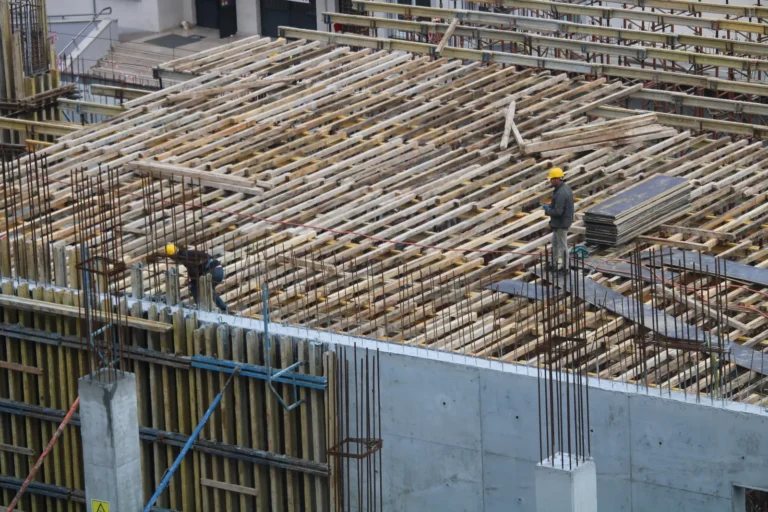
Spalled slabs, cracked beams, exposed rebar and damaged columns, repaired to last.
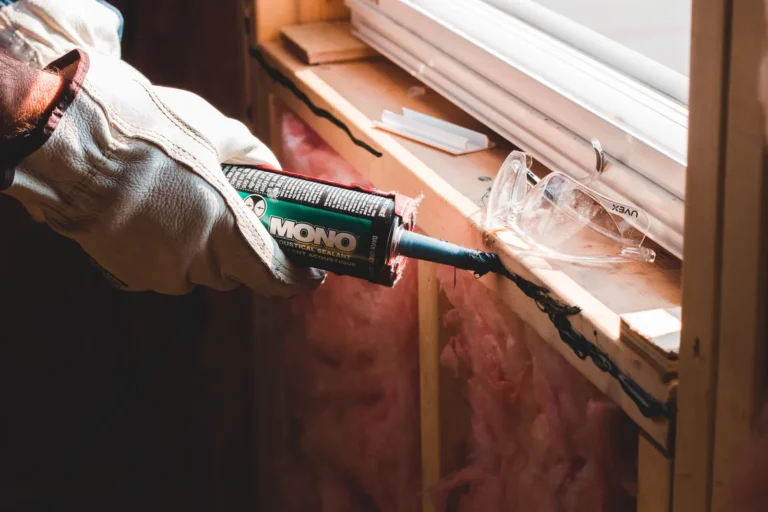
Traffic coatings, membranes and expansion joints that keep water and salt out of the slab.
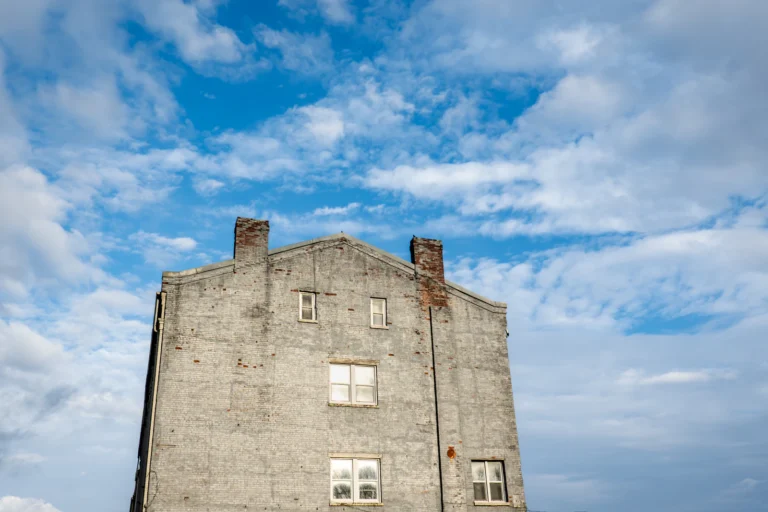
Yearly parapet observations, the written report the rule asks for, and masonry repair of what they find.
Missed a Local Law 126 Filing Deadline?
DOB charges $1,000 per month for a late initial report and $5,000 per year when no report is filed. The sooner you file, the less you pay.
What Causes Parking Garage Damage in NYC?
Most garage problems start small and grow every winter. These four causes sit behind most SREM and Unsafe ratings.
Road Salt and Chloride Corrosion
Salt carried in on tires soaks into the concrete and corrodes the steel rebar inside the slab.
Freeze and Thaw Damage
Water trapped in cracks freezes, expands and breaks the concrete apart a little more each year.
Water Leaks Through Joints and Cracks
Failed expansion joints, cracks and clogged drains let water reach beams, columns and the levels below.
Traffic Wear on Deck Coatings
Constant turning and braking wear down protective coatings and leave the slab exposed.
QPSI Inspector vs Repair Contractor: Who Does What?
Local Law 126 keeps inspection and repair in separate hands. Here is who does what.
What the QPSI Does
- Carries out the condition assessment and annual observations
- Rates each condition Safe, SREM or Unsafe
- Files the initial and amended reports in DOB NOW: Safety
What Our Repair Team Does
- Turns the report into a clear repair scope and schedule
- Repairs concrete, steel, joints and waterproofing
- Documents the finished work so the amended report can be filed
Areas We Serve in New York City
We work with parking garage owners, managers and boards across four New York City boroughs.
Manhattan Garages
Garages below residential towers, office buildings and hotels in every community district.
Brooklyn Garages
Residential and commercial garages across all Brooklyn community districts.
Queens Garages
Building garages and open parking decks now inside the Sub-Cycle 1C filing window.
Bronx Garages
Garages in residential complexes and mixed use buildings, also due in Sub-Cycle 1C.
Local Law 126 FAQs for NYC Garage Owners
What is Local Law 126 in NYC?
Local Law 126 of 2021 is the New York City law that requires periodic inspections of parking structures. Owners must hire a Qualified Parking Structure Inspector to assess the garage and file a report with the Department of Buildings, plus annual observations between full assessments. The same law also requires a yearly observation of parapets that face the street.
Who can perform a Local Law 126 inspection?
Only a Qualified Parking Structure Inspector (QPSI). A QPSI is a New York State licensed professional engineer with at least three years of relevant experience who has been approved by DOB.
When is my Local Law 126 report due?
It depends on your community district. Sub-Cycle 1A closed on December 31, 2023 and Sub-Cycle 1B closed on December 31, 2025. Sub-Cycle 1C is open until December 31, 2027. After that, Local Law 71 of 2024 requires a new assessment at least every 4 years.
What does SREM mean?
SREM stands for Safe with Repairs and/or Engineering Monitoring. The garage is safe at the time of inspection, but the inspector has found conditions that must be repaired within a set timeframe. If they are not fixed by the next inspection, they must be reported as Unsafe.
What happens if my garage is rated Unsafe?
The affected area must be protected right away and repairs need to start without delay. Once the work is complete, the QPSI files an amended report with DOB. An Unsafe condition that is not corrected carries a penalty of $1,000 per month.
What are the penalties under Local Law 126?
DOB charges $1,000 per month for a late initial report, $5,000 per year for failing to file, $1,000 per month for an uncorrected Unsafe condition and a one time $2,000 penalty for an uncorrected SREM condition.
Do I need a garage inspection every year?
A full condition assessment is required once per cycle, but a QPSI must also carry out an annual observation in the years between assessments. Keep these records on site in case DOB asks for them.
Does Local Law 126 cover parapets?
Yes. Along with parking garages, Local Law 126 of 2021 requires a yearly close-up observation of every parapet that fronts a street, sidewalk or other public right of way. Detached one and two family homes are exempt. The rule is 1 RCNY 103-15, and any unsafe condition must be reported to DOB right away.
Is the parapet observation the same as the garage inspection?
No. The garage condition assessment must be done by a QPSI and filed in DOB NOW: Safety. The parapet observation can be done by any person competent to spot parapet hazards, such as a mason or superintendent, and the owner keeps the report for six years instead of filing it.
How is the Local Law 126 report filed?
The QPSI files the condition assessment report through DOB NOW: Safety within 60 days of finishing the assessment. Once repairs are complete, the QPSI files an amended report so DOB can see the conditions have been corrected.
Does Local Law 126 apply to open parking lots?
A surface lot on grade with no structural deck is generally not covered. Open parking decks, rooftop parking and any parking level built as part of a structure are covered, even when they are open to the air.
Can you repair my garage if another engineer did the inspection?
Yes. Send us the QPSI report and any DOB notices. We build the repair scope around the conditions listed and coordinate with your inspector so the amended report can be filed.
Can the garage stay open while repairs are done?
In most cases, yes. Work can be split into zones so part of the garage stays in use, with protection around active areas. An Unsafe condition may need a larger area closed until it is made safe.
How much does Local Law 126 compliance cost?
Cost depends on the size of the garage, the number of levels, the conditions in the report and how urgent the repairs are. Upload your report and we will review it and send you a clear quote.