
Annual Parapet Inspection and Repair in NYC
If your building has a parapet facing a street or sidewalk, Local Law 126 says it needs a close-up look every year. Our masons walk the full length from the roof, write the report the rule asks for, and fix loose brick, coping and flashing before a piece of it ends up on the sidewalk.
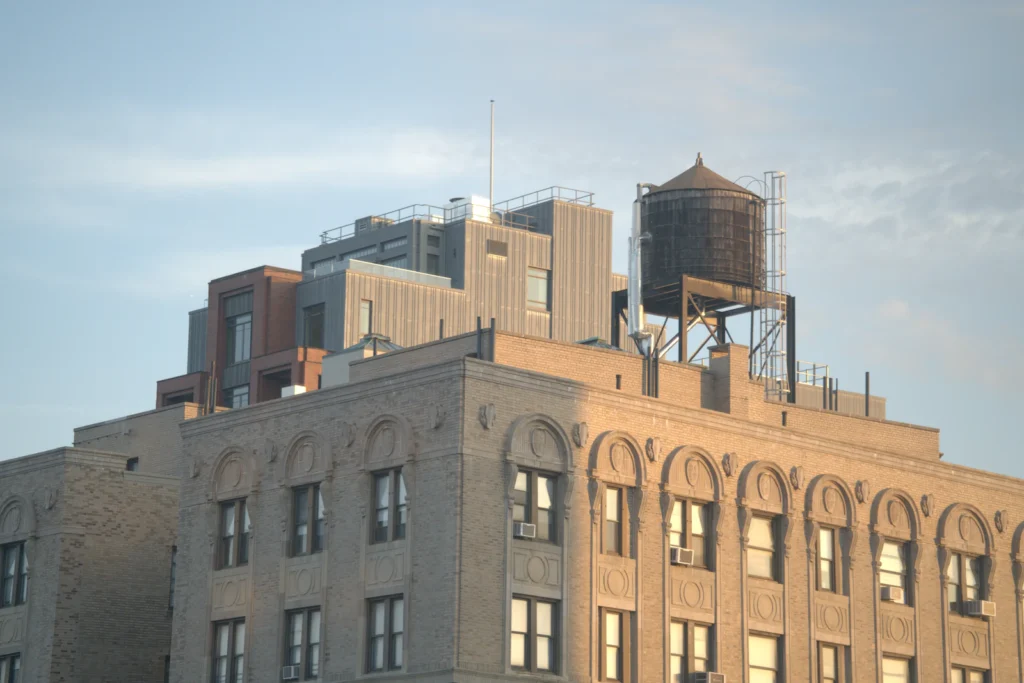
What Does a Local Law 126 Parapet Inspection Cover?
The parapet is the part of a wall that rises above the roof line. Under 1 RCNY 103-15, the rule that came out of Local Law 126 of 2021, a parapet that fronts a street, sidewalk or other public right of way has to be observed up close once a year. The observer works along the entire length from the roof or a fire escape and checks three things: that the wall is plumb within one eighth of its thickness, that the masonry shows no cracks, displacement, loose brick, loose coping, bad mortar or spalling, and that anything fastened to it, such as railings, gooseneck ladders, signs or antennas, is still stable.
The result is a written observation report. It lists the building and owner, the observer, the date, a location plan, how the parapet is built, what was found, what was repaired since the last report, and dated photos. You do not file it with the Department of Buildings. You keep it for six years and hand it over if DOB asks for it.
Key Facts
Required every year since January 1, 2024
Report kept by the owner for six years, not filed with DOB
Unsafe conditions must be corrected within 90 days of notifying DOB
Parapet Services for NYC Building Owners
One crew handles the yearly observation, the paperwork and the masonry work that follows, so nothing gets lost between the person who spots a problem and the person who fixes it.
Annual Parapet Observation
A mason walks every foot of the parapet that faces the public right of way, at arm’s length, from the roof or the fire escape. We check plumb, masonry condition and every attachment, and we note anything that needs watching next year.
Parapet Observation Report
You get a signed report with all nine items the rule asks for, a marked location plan and dated photos. It is written so a DOB inspector can read it in minutes and so next year’s observer can compare against it.
Parapet Repair and Rebuilding
When the observation finds open joints, loose coping or a section that has moved, our masons repair it. Small work is done in the same season. Larger rebuilds are scheduled with protection in place and permits filed where the scope calls for them.
Parapet Problems an Observation Picks Up
These are the conditions we see most often on NYC rooftops. Some are cosmetic today and dangerous in two winters. Others need protection the same day.
Leaning or Out of Plumb Walls
A parapet that has tipped toward the street by more than one eighth of its thickness fails the plumb check. On a 12 inch wall, that is 1.5 inches. We measure it with a level and a plumb line, not by eye.
Cracked Brick and Open Joints
Horizontal cracks along a mortar bed and diagonal cracks near corners are the ones that matter most. Open joints let water into the wall core, where it freezes and pushes the brick apart.
Loose or Missing Coping Stones
Coping sits on top of the wall and sheds water. When the mortar under it fails, a stone can rock under hand pressure. That is the piece most likely to fall first.
Spalled Masonry Faces
When the face of a brick or stone pops off, the unit behind it is exposed and weaker. We tap suspect areas and remove anything loose before it drops.
Unstable Railings and Gooseneck Ladders
Roof access rails, gooseneck ladders and fire escape handrails are often anchored straight into the parapet. A loose anchor can pull masonry with it when someone grabs the rail.
Loose Signs and Rooftop Equipment
Signs, antennas and telecom mounts load the wall in wind. We check the brackets, the anchors and the masonry around them, because the rule treats an unstable attachment as part of the parapet’s condition.
Why Parapets Fail Faster Than the Wall Below
The same brick can last a century in the main wall and need repair in thirty years at the top. Three reasons explain most of it.
Exposed on Both Sides
A parapet has weather on its street face, its roof face and its top. It gets wet from every direction and dries unevenly, so it goes through far more freeze and thaw cycles than the wall under it.
Failed Coping and Flashing
When the coping joints open or the roof flashing pulls away, water runs straight down into the wall. Most parapet damage we repair started with a cap that stopped keeping water out.
Loads From Attachments
A parapet was built to stand up on its own, not to hold a sign, a dish or a ladder. Every bracket added over the years puts force on a wall that has nothing above it to hold it in place.
How We Repair a Parapet the Right Way
The repair has to match the wall. Old lime mortar brick needs a different approach from modern block, and we pick materials that move with the masonry instead of cracking it.
Repointing Mortar Joints
We cut out failed mortar to a sound depth and refill it with a mix that matches the strength of the existing wall. Mortar harder than the brick is a common mistake that cracks the units around it.
Resetting and Replacing Coping
Loose coping is lifted, cleaned and reset on a fresh bed with sealed joints and a drip edge. Broken stones are replaced to match, and through wall flashing is added where the old cap had none.
Rebuilding Unstable Sections
A section that is out of plumb or has lost its bond is taken down course by course and rebuilt, tied back to the roof structure where needed. We file the permits the work requires and keep protection up until it is done.
Securing Appurtenances
Railings, ladders and brackets are reanchored into sound masonry or moved off the parapet entirely. Where an attachment keeps damaging the wall, we tell you and suggest a better mounting.
What the Observation Report Must Include
The rule lists nine items every report needs. We group them the same way every year, so the report is complete when DOB asks for it and easy to compare against last year’s.
Building and Owner Details
The building address and the owner’s name and contact information, so anyone reading the report knows exactly which property and which responsible party it covers.
Observer Details
The name and contact information of the person who did the observation, and the date or dates it took place.
Location Plan and Construction
A simple roof plan showing where the parapets are and which ones front the public right of way, along with the wall material, its height and its thickness.
Conditions Found and Actions Taken
A description of what was observed on each parapet, any unsafe condition found, and what was done about it, including when DOB was notified and what protection went up.
Repairs Since Last Report and Dated Photos
A record of any work done on the parapet since the previous observation, and dated photographs that show the conditions described in the report.
From Roof Walk to Signed Report
Most observations take one visit. The report follows within days, and any repair is quoted before you leave the roof.
Schedule Roof Access
We book a time with your super or managing agent, confirm the roof door, the bulkhead and any fire escape we need, and ask for last year’s report if you have it.
Close-Up Observation
The mason walks the full length of every street facing parapet, checks plumb, tests coping and attachments by hand, and photographs each condition with a date stamp.
Write and Hand Over the Report
We write the report to the nine items in the rule and send you a signed copy to keep on file. If something is unsafe, you hear about it that day, not in the report.
Repair and Photograph for Next Year
Any repairs are done by the same crew, then photographed so next year’s report can show what changed. That record is what makes year two faster than year one.
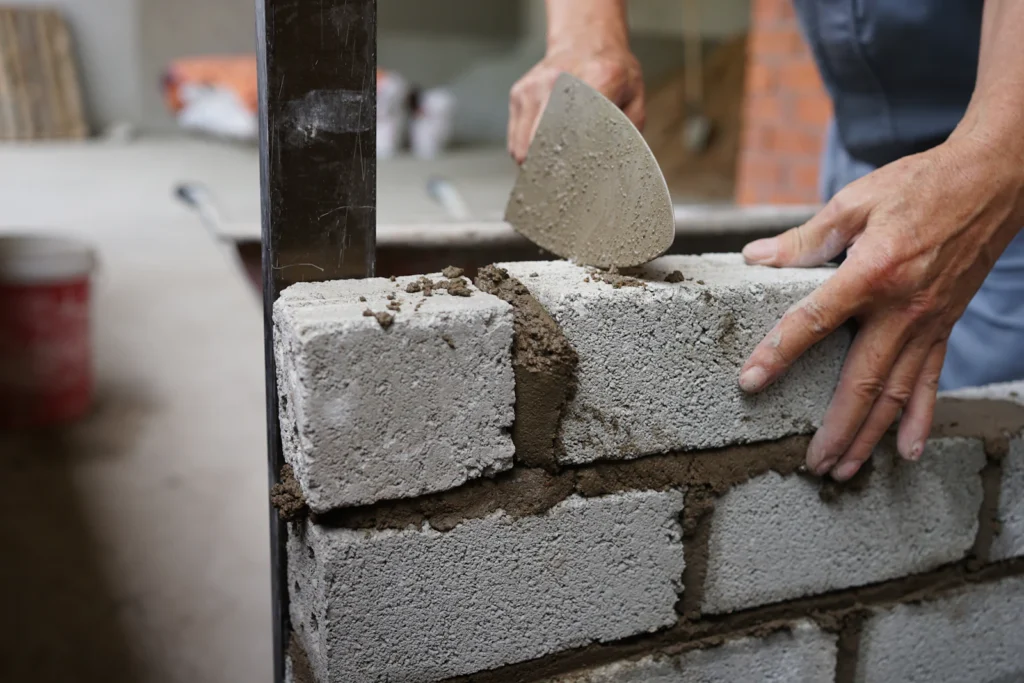
Not sure if your parapet faces the public right of way, or when it was last observed? Call and we will check it this season.
What 1 RCNY 103-15 Requires From Owners
The rule took effect on September 28, 2023, and the first observations were due in 2024. It is short, but two parts trip owners up more than the rest.
Who Must Comply and Who Can Observe
Any building with a parapet fronting a public right of way is covered, whatever its height. Detached one and two family homes are exempt, and so are buildings where a fence or barrier keeps the public away from the exterior wall.
The observer does not need a license. The rule allows a bricklayer, superintendent, handyman, mason, architect, engineer, an inspector for an insurance company authorized in New York State, a state authorized building inspector, or anyone else competent to spot a parapet hazard.
When an Unsafe Condition Is Found
The observer must notify DOB right away by calling 311 and emailing parapets@buildings.nyc.gov.
The owner must put up public protection at once, such as a sidewalk shed, fence or netting, and correct the condition within 90 days of the notice. The protection stays until the repair is complete.
Based on 1 RCNY 103-15 and the DOB Parapets page.
What Moves the Price of a Parapet Inspection and Repair
Every roof is different, so we quote after we see it. These are the things that make the biggest difference.
Total Parapet Length
A corner building has more street facing parapet than a mid block one. More linear feet means more time on the observation and more wall to repair.
Roof Access
An easy bulkhead door is quick. A roof reached only by a hatch, a ladder or a fire escape adds time and can limit how materials come up.
Parapet Height and Material
Tall parapets need staging to work on safely. Brick, stone, terra cotta and block each repair differently, and matching an old material takes more care.
Attached Equipment
Signs, antennas, railings and ladders on the wall all have to be checked, and sometimes removed and reinstalled so the masonry behind them can be repaired.
Repair Scope
Repointing a few joints is a small job. Resetting a full run of coping or rebuilding a section of wall is a different project with permits and more labor.
Public Protection Needs
If an unsafe condition needs a sidewalk shed, fence or netting while the work is planned, that protection is part of the cost until the repair is finished.
Why Owners Hand Us Their Parapet Each Year
A rushed observation costs little today and a lot two winters from now. Owners come back to us because the person on the roof knows masonry.
Masons Doing the Observation
The rule allows many kinds of observers. Ours are working masons who know what a failing joint looks like and can tell a cosmetic crack from a structural one on the spot.
Report Written to the Rule
Every report covers all nine required items in the same order, with a location plan and dated photos, so it holds up when DOB asks for it.
Repairs by the Same Crew
The people who found the problem are the people who fix it. Nothing gets lost in a handoff, and the repair matches what the report describes.
Year Over Year Photo Record
We keep the same photo points each year. That makes slow movement easy to spot and gives you a clear history for the six year retention period.
Parapet Inspection Questions From NYC Owners
Does my building need a parapet observation?
Yes, if it has a parapet that fronts a street, sidewalk or other public right of way. Height does not matter. Detached one and two family homes are exempt, and so are buildings where a fence or barrier keeps people away from the exterior wall.
How often does the parapet have to be observed?
Once every year. The requirement started on January 1, 2024, so each building should now have a report for every year since then.
Who is allowed to do the observation?
Any person competent to identify parapet hazards. The rule names bricklayers, superintendents, handymen, masons, architects, engineers, insurance inspectors and state authorized building inspectors as examples. No DOB license is required.
Do I file the parapet report with DOB?
No. The owner keeps the report for six years and gives it to DOB if the department asks for it. Only unsafe conditions are reported to DOB, and that happens right away by calling 311 and emailing parapets@buildings.nyc.gov.
What counts as a parapet?
Any part of a wall that sits entirely above the roof line. That includes the short brick walls along the roof edge, as well as taller decorative fronts that extend above the roof.
What happens if my parapet is found unsafe?
DOB is notified immediately, and the owner puts up public protection such as a sidewalk shed, fence or netting. The condition must be corrected within 90 days of notifying DOB, and the protection stays until the work is done.
Is a parapet observation the same as a FISP inspection?
No. FISP applies to buildings higher than six stories and calls for a full facade inspection every five years by a Qualified Exterior Wall Inspector, a New York State licensed engineer or architect, with the report filed in DOB NOW: Safety. The parapet observation is yearly and kept on site. A building covered by FISP still needs its annual parapet observation.
Can the parapet be checked from the street?
No. The rule calls for a close-up observation of the entire parapet. It is done from the roof, or from a fire escape where that gives a closer view. Binoculars from the sidewalk do not meet it.
What does the plumb check mean?
The parapet should stand straight up. If it leans more than one eighth of its thickness, it is out of plumb. A 12 inch thick wall that leans more than 1.5 inches fails the check.
Related Local Law 126 Services
The periodic condition assessment that Local Law 126 requires for parking structures.
What happens after an unsafe finding, from protection to repair and sign off.