SREM Repairs in NYC for Local Law 126 Parking Garages
Your QPSI report rated the garage SREM: safe today, but with conditions that need repair or monitoring before a set date. We turn that list into a repair plan, fix each item while the garage stays open, and give your inspector what they need to confirm the work.
An SREM repair fixes a condition the QPSI rated Safe with Repairs and/or Engineering Monitoring. For each condition, the inspector sets a repair date, which cannot be less than one year away. Typical work includes concrete patching, crack repair, joint replacement, traffic coatings and drainage fixes.
Once the work is done, photos, permits and work records go to the QPSI, who confirms the repairs in the follow-up assessment. Any SREM item still open at the next inspection must be reported as Unsafe, so planning early matters.
Key Facts
Repair date set by the QPSI, at least one year out
Follow-up assessment 18 months to two years after filing
Open SREM items become Unsafe at the next inspection
Our SREM Repair Services
We cover the full SREM path, from the first plan to the confirmed repair.
SREM Repair Planning
We price every condition in the report and schedule the work around each repair date.
Structural and Waterproofing Repairs
Our crew repairs concrete, steel, joints, coatings and drains to the QPSI’s recommendations.
Monitoring and Follow-Up Support
We work with your engineer on monitoring and collect the records the follow-up assessment needs.
Common SREM Conditions We Repair
These early-stage conditions show up most often on SREM lists in NYC garages.
Surface Scaling and Spalls
Shallow concrete loss on slabs and ceilings that has not yet exposed the steel.
Hairline and Active Cracks
Cracks in slabs, beams and walls that need sealing, injection or monitoring.
Worn Traffic Coatings
Deck membranes thinned by tires that no longer keep water and salt out.
Leaking Expansion Joints
Joint seals that let water drip onto cars, beams and the level below.
Rust Staining
Brown stains that show steel starting to corrode inside the concrete.
Ponding Water
Water that sits on the deck because drains or slopes no longer work.
Why SREM Items Turn Into Unsafe Conditions
SREM is a warning with a deadline. These three habits let it slip.
Repair Date Missed
The date in the report passes while the work waits for the next budget cycle.
Monitoring Not Kept Up
The report asked for crack or deflection readings, but nobody recorded them.
Cosmetic Patching Only
A patch over a leaking joint or rusting steel fails and comes back worse.
How We Repair SREM Conditions
Each repair targets the cause the QPSI identified, not just the surface.
Concrete Removal and Patching
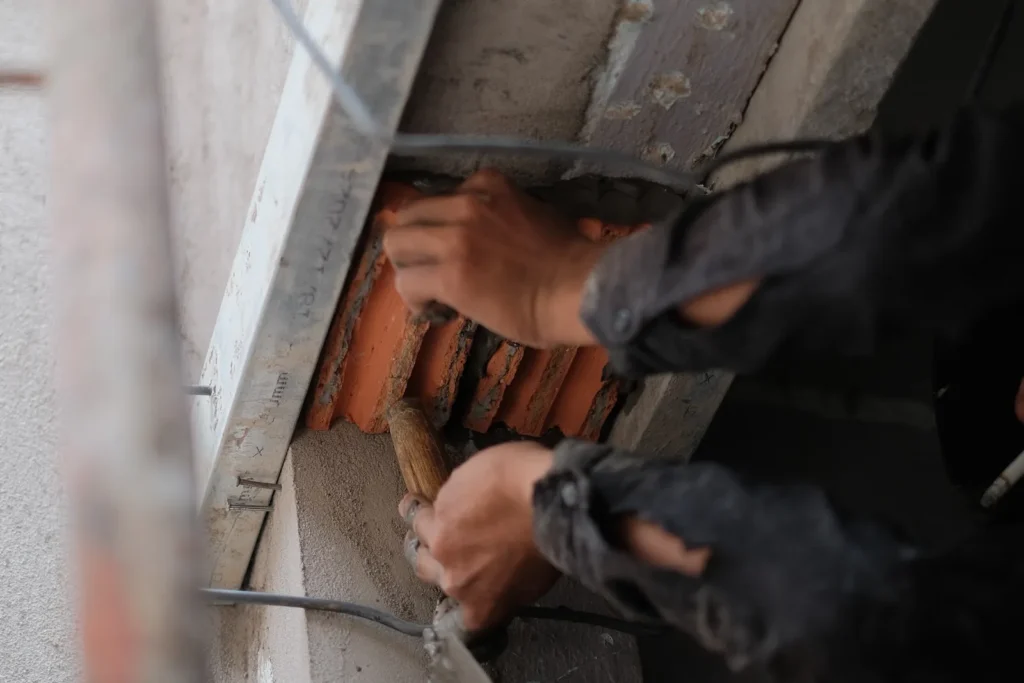
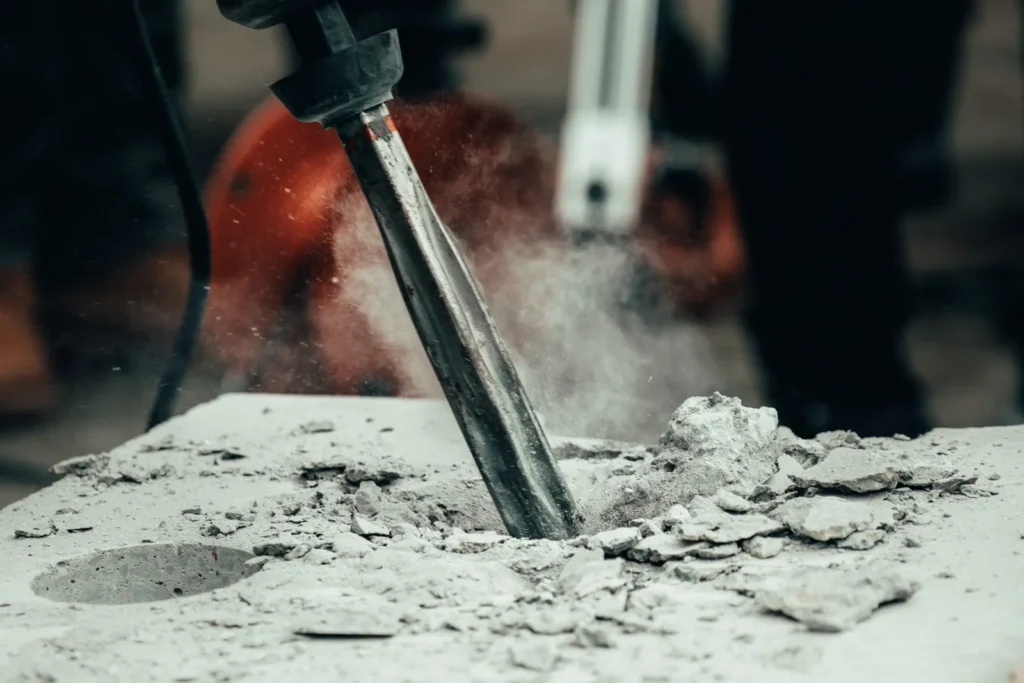
Loose concrete is cut back to sound material, the steel is cleaned and treated, and the area is rebuilt.
Crack Sealing and Injection
Cracks are routed and sealed, or injected with epoxy or polyurethane, depending on whether they move or leak.
Joint and Sealant Replacement
Failed expansion joints and sealants are removed and replaced with systems built for traffic.
Protective Traffic Coatings
Worn decks get a new waterproof coating system that keeps chlorides out of the slab.
What Your SREM Repair Plan Includes
Before work starts, you get a written plan built from the QPSI report.
01
Condition List
Every SREM item from the report, with its location, size and the inspector’s notes.
02
Repair Dates
The date the QPSI set for each item, so the most urgent work goes first.
03
Repair Method
The repair matched to each condition and the cause behind it.
04
Permits and Access
Any DOB work permits needed, and the levels or bays that must be closed.
05
Phasing and Budget
Work grouped by level and season, so costs can be spread over the repair window.
Our SREM Repair Process
1.
Review the QPSI Report
We read the SREM list, visit the garage and confirm each condition on site.
2.
Plan and Price the Work
You get a phased scope, a schedule built around the repair dates and a clear price.
3.
Repair Level by Level
Crews work in sections with protection in place, so most of the garage stays open.
4.
Document for the Follow-Up
Photos, permits and work records go to your QPSI for the follow-up or amended report.
Have an SREM report from your QPSI? Upload it and we will send a repair plan and price for every item on the list.
Two parts of 1 RCNY 103-13 set how SREM repairs are timed and checked.
Repair Dates Set by the QPSI
For every SREM condition, the inspector must give a specific repair date. Time frames under one year, or words like “ASAP” or “immediately”, are not accepted.
If the work cannot meet that date, the owner must tell DOB. The next report must then include the QPSI’s supporting documents for the new time frame.
Monitoring and the Follow-Up Report
When monitoring is required, the report must name the engineer, the method and how often readings are taken.
The follow-up assessment records the monitoring results, the status of each SREM item and any repairs completed since the last filing.
You have until the date your QPSI set for each condition in the report. That date must be at least one year after the inspection, and minor maintenance items can run longer.
It is a plan to track a condition over time, such as a crack or a sagging beam. The report names the engineer, the method and how often readings are taken. The results go into the follow-up report.
Yes. A QPSI must carry out a follow-up condition assessment 18 months to two years after the first filing. It records which SREM items were repaired and the status of any monitoring.
SREM conditions are safe today and come with a repair date at least a year away. Unsafe conditions are hazardous now, need protection right away and must be repaired within 90 days.
We price each condition in the report separately, based on its repair method, size and access. You see the cost of every item, so you can plan the work by repair date.