
Parking Garage Concrete Repair in NYC Built to Last
Spalled ceilings, broken deck surfaces and crumbling column bases are the repairs that fill most Local Law 126 reports. We cut out every bit of damaged concrete, treat the steel behind it and rebuild the section, so the same spot does not turn up in your next QPSI report.
How Is Damaged Garage Concrete Repaired?
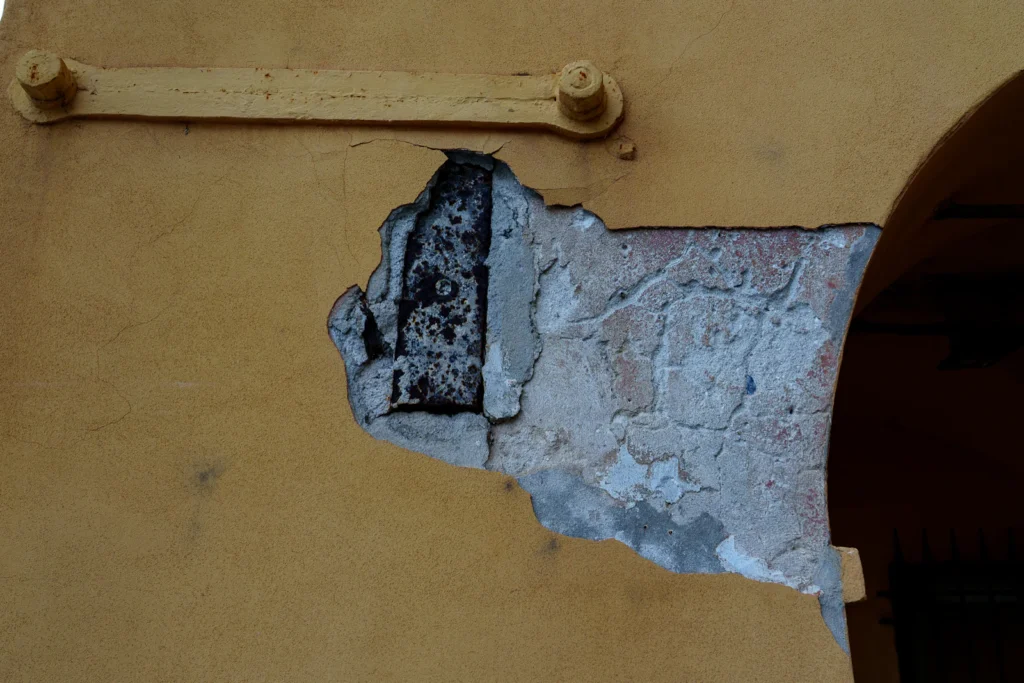
Most concrete damage in a garage starts with the steel inside it. Salt water reaches the rebar, the rebar rusts and swells, and the concrete around it cracks and breaks away. A lasting repair goes after that cause, not just the hole you can see.
The area is sounded to find every hollow spot, then saw-cut at the edges and chipped out until clean steel shows, with room left behind each bar. The steel is cleaned or replaced, new repair material is placed and cured, and the finished patch is sounded again to confirm it is bonded.
Key Facts
Edges saw-cut about 1/2 inch deep
About 3/4 inch or more of clearance behind exposed bars
Galvanic anodes protect patch edges where specified
Concrete Repair Services for NYC Garages
Three kinds of work cover almost every concrete item in a garage report.
Structural Concrete Repair
Beams, columns and slabs rebuilt to their original strength, to the engineer’s design.
Overhead and Vertical Repair
Ceilings and beam sides repaired by hand, or formed and pumped for larger areas.
Deck and Ramp Resurfacing
Worn topside concrete replaced with a bonded overlay before waterproofing goes on.
Concrete Problems We Fix in Parking Garages
These are the signs owners and garage staff usually notice first.
Fallen Concrete Pieces
Chips and chunks found on cars or floors under ceilings and beam edges.
Hollow Spots Under the Surface
Concrete that sounds hollow when tapped, a sign it has separated from the steel.
Bleeding Cracks
Cracks that leak rusty water or leave white deposits as water passes through.
Worn Deck Surface
Driving lanes with exposed stone, potholes and broken edges at joints.
Failed Old Patches
Earlier repairs that cracked loose, often with new damage around their edges.
Damaged Column Bases
Column bottoms eaten away by salt water and scraped by cars and plows.
Why Garage Concrete Repairs Fail Early
Most repeat damage comes from a repair that was done too fast, not from bad luck.
Removal Stopped Too Soon
Rusty steel left behind keeps corroding under the new patch until it pops off.
Wrong Material for the Spot
A mortar made for floors will not stay on a ceiling, and a rigid patch cracks where the slab moves.
Nothing to Protect the Edges
New concrete can speed up rusting in the old concrete around it, so fresh spalls appear just outside the patch.
The Repair Method Behind Every Patch
We prepare every repair to the industry’s ICRI 310.1R surface preparation guideline, then follow the engineer’s details.
Mapping Every Hollow Area
Each repair zone is sounded, marked and measured, so nothing hidden is left in place.
Cutting Back to Sound Concrete
Edges are saw-cut about 1/2 inch deep and the concrete is chipped out until clean steel shows, with about 3/4 inch or more behind the bar.
Treating and Replacing Steel
Rust is blasted or wire-brushed off, bars with section loss are supplemented, and galvanic anodes are added where the engineer specifies.
Placing and Curing New Material
The surface is roughened and kept damp, then filled by hand or formed and pumped, and cured to the maker’s instructions.
Garage Parts We Repair
Each part of a garage fails in its own way, so each gets its own repair approach.
Slabs and Decks
Topside potholes and underside spalls, repaired partial or full depth.
Beams and Girders
Broken edges and corners rebuilt, with added steel where bars have lost section.
Columns and Walls
Damaged bases and faces formed and rebuilt, often with a protective curb.
Ramps and Drive Aisles
Surfaces that take turning and braking forces, rebuilt to a durable finish.
Post-Tensioned and Precast Elements
Tendons located by scanning before any cutting, and connections repaired to the engineer’s details.
How a Concrete Repair Project Runs
Survey and Mark the Repairs
We sound every area in the report, mark the edges in paint and measure the quantities.
Set Up Support and Protection
Temporary support goes in where needed, and dust and debris screens close off the work bays.
Remove, Prepare and Rebuild
Damaged concrete comes out to clean steel, the steel is treated, and new material is placed.
Re-Sound and Hand Over
Finished repairs are tapped again, then photos and final quantities go to you and your QPSI.
Have a QPSI report or photos of the damage? Send them and we will map the repair areas and price them by size.
NYC Requirements Behind Garage Concrete Repairs
Concrete work in a Local Law 126 garage ties back to the QPSI report and to DOB permits.
Repairs Follow the QPSI Report
The condition assessment must include repair recommendations for every SREM and Unsafe condition, along with a list of the work permits the repairs need.
Once the work is done, the owner must get permit sign-offs as appropriate. Our scope is written straight from those recommendations.
Structural Repairs Are Not Ordinary Repairs
DOB lists items like painting, plastering and non-structural roof repair as work that needs no permit. Structural concrete repair is not on that list.
Plan for DOB review and a permit before work starts, unless it is emergency work to relieve an immediate hazard.
Based on 1 RCNY 103-13, the DOB guide Does my project require a permit? and ACI Repair Application Procedure Bulletin 6.
How Concrete Repair Pricing Is Built
Every price starts from measured repair areas. These six factors shape the total.
Total Repair Area
Priced by the area marked during the survey, then confirmed after removal.
Overhead or Topside
Ceiling and beam side work is slower than deck work and costs more per foot.
Steel Found Behind the Concrete
Bars with heavy section loss need added or replaced steel.
Post-Tensioned or Precast Elements
Tendon scanning and special details add engineering time.
Temporary Support
Some removals need shoring before the concrete can come out.
Repair Material
Formed and pumped concrete, hand mortars and overlays are priced differently.
What Sets Our Concrete Repairs Apart
Removal to Clean Steel
We keep chipping until the steel is clean, not just until the hole looks neat.
Quantities Measured Up Front
Repair areas are marked and measured, so the price matches the real damage.
Corrosion Protection Built In
Anodes and coatings go in where the engineer calls for them, to protect the edges.
Re-Sounded Before Sign-Off
Every patch is tapped again before we hand the area back.
Garage Concrete Repair FAQs
How long does a concrete spall repair last?
It depends on the preparation. A repair taken back to clean steel, with the water source fixed, should last for many years. One that leaves rust behind the bar can fail within a few winters.
Why does new damage show up right next to old patches?
Patching changes how corrosion moves through the slab. The steel just outside a new patch can start rusting faster, so spalls appear around the edges. Galvanic anodes placed in the repair help slow this down.
What is the difference between a patch and a structural repair?
A patch restores the surface. A structural repair restores strength, which can mean replacing or adding steel and rebuilding a beam or column section to the engineer’s design.
Will you cut into a post-tensioned slab?
Only after the tendons are located by scanning and the engineer has approved the removal. A cut tendon can weaken a whole bay, so this step is never skipped.
Can concrete repairs be done in winter?
Yes, with care. Cement-based repair materials have minimum placing temperatures set by the manufacturer, so cold weather work often needs heated enclosures.
When is a slab replaced instead of patched?
When damage covers so much of a bay that patches would touch each other, the engineer may call for full depth replacement or a bonded overlay instead. It costs more up front but avoids a quilt of patches that fail one by one.
How do you confirm a repair is bonded?
Every patch is sounded again after it cures, and any hollow area is redone. Where the specs call for it, a pull-off test such as ASTM C1583 measures the bond strength.
How are concrete repair quantities measured?
We sound and mark each area before pricing. Final quantities are confirmed once the concrete is removed, because damage behind the surface can be larger than it looked.
Should waterproofing go on after the concrete repairs?
Yes. Repairs come first, then the deck coating or membrane seals the surface and keeps salt water out of the new concrete.